Norwegian landscape, Vikings and Norwegian culture

Land of Vikings

Norway

A land of breathtaking nature, rich history and strong traditions.

From the classroom to the land of Vikings: an English project (3rd Year 1) by Mateus A. Caetani, 2026.

Country Overview

Discover Norway

Norway is a Nordic country in Northern Europe, known for its long coastline, dramatic mountains, deep fjords and Arctic landscapes.

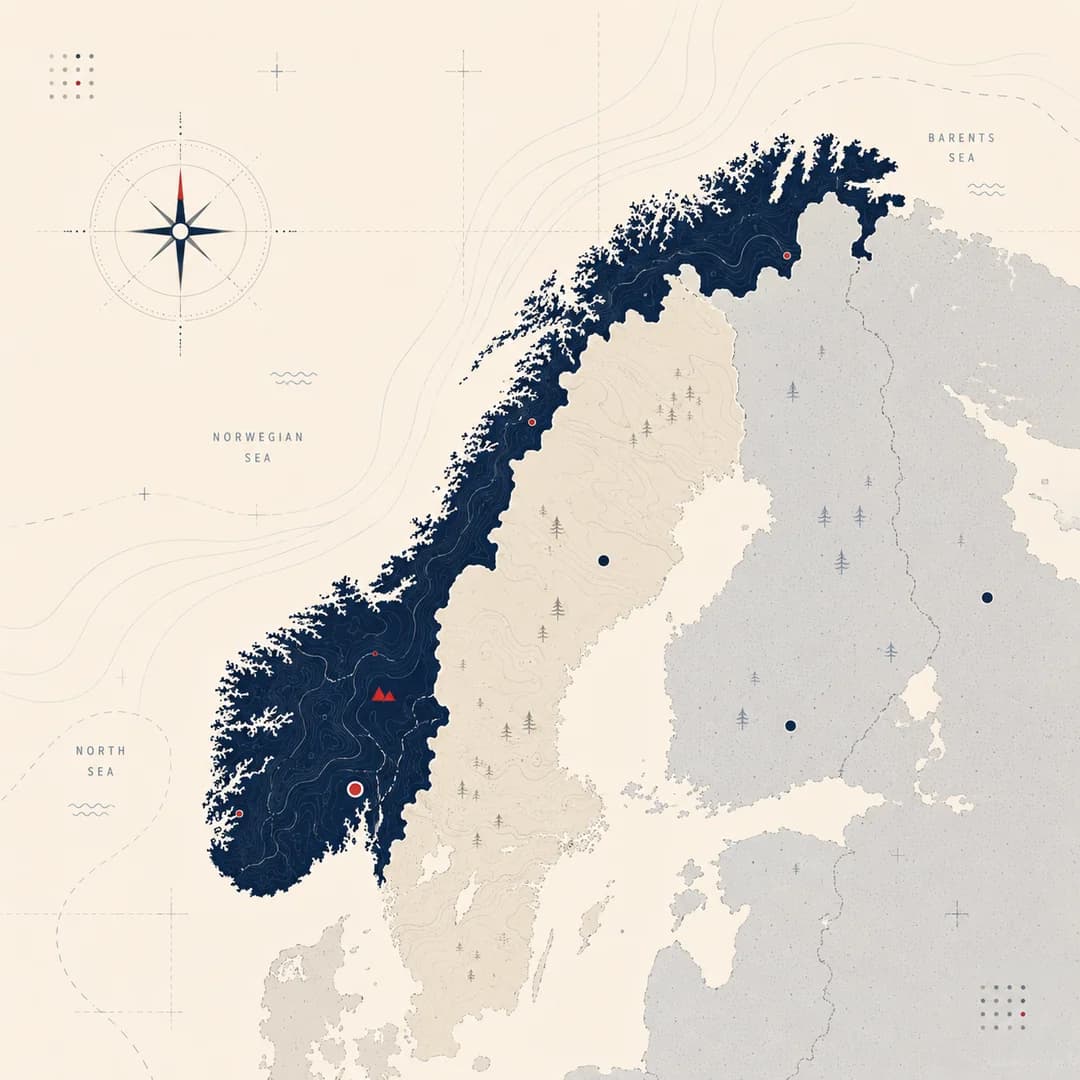
Map of Norway
Northern Europe

Norway

Located in the western part of the Scandinavian Peninsula, extending from southern Scandinavia into the Arctic Circle.

Map and Continental Location

Norway is located in Northern Europe, in the western part of the Scandinavian Peninsula.

The country shares land borders with Sweden, Finland and Russia.

It is bordered by the North Sea, the Norwegian Sea and the Barents Sea.

Norway has a very long coastline, famous for its islands, mountains and deep fjords.

SwedenFinlandRussia
Capital

Oslo

Oslo is Norway’s capital and its largest centre for government, culture and business.

Territorial Area

Approximately 385,000 km²

This total includes Norway’s mainland and its Arctic territories. The mainland covers approximately 324,000 km².

Distance from Brazil

Approximately 9,900 km

This is the approximate straight-line distance between Brasília and Oslo. Travel normally requires at least one connection.

Predominant Climate

Cold Temperate

Coastal regions are relatively mild and rainy, while inland and northern areas have colder winters and frequent snow.

National Symbol

The Norwegian Flag

The Norwegian flag has a red background with a dark blue Scandinavian cross outlined in white.

The cross represents Norway’s historical connection with Christianity and follows the traditional Nordic flag design.

Its colours also demonstrate the country’s historical and cultural connections with Denmark and Sweden.

The current flag was officially adopted in the nineteenth century.

Culture

Norwegian Culture

Norwegian traditions have been shaped by rural communities, regional identity, nature and centuries of history.

Read the full culture guide
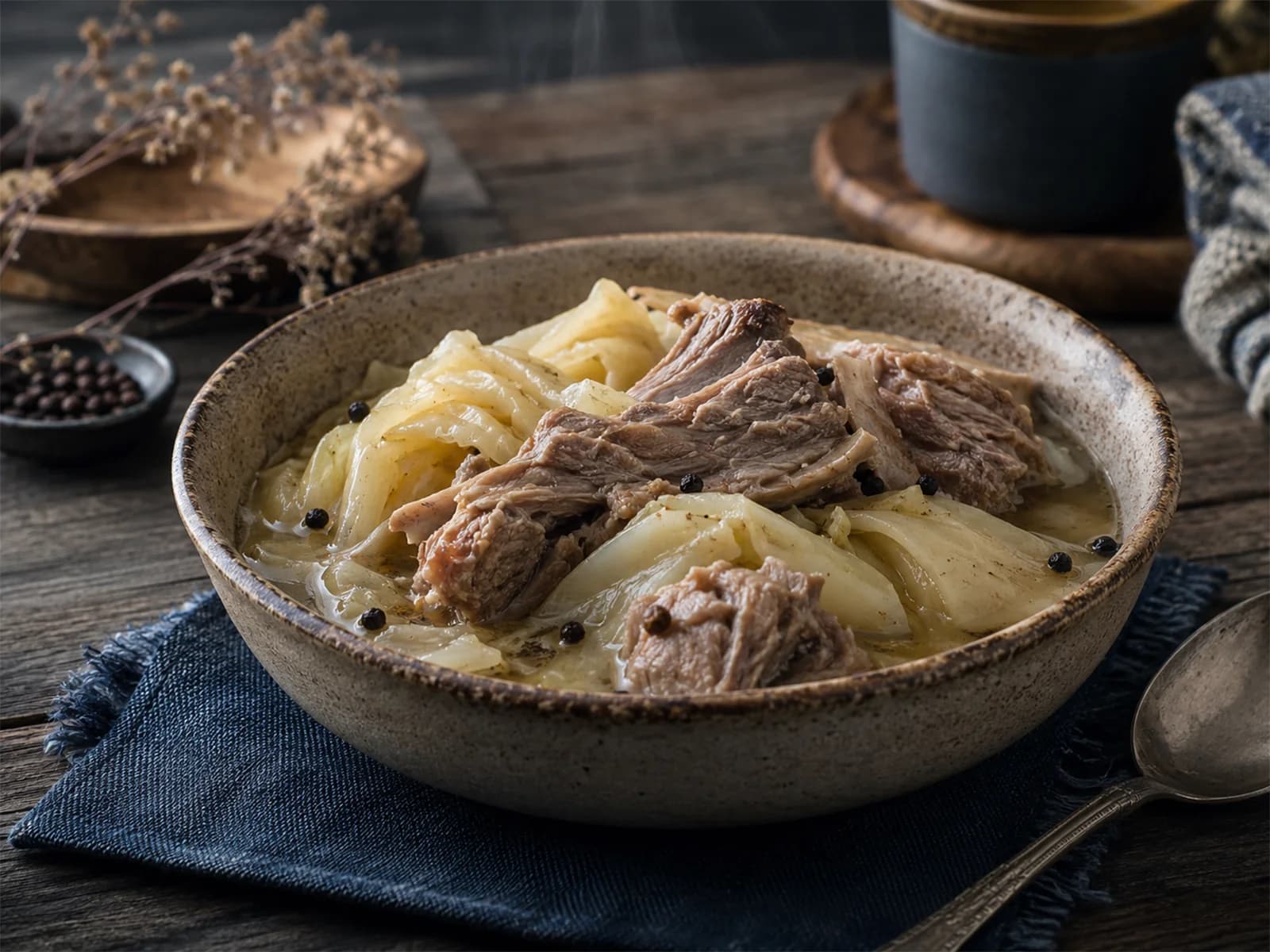
Traditional Norwegian fårikål dish

Typical Food

Fårikål

A simple and traditional stew considered Norway’s national dish.

Fårikål is considered Norway’s national dish.

It is a simple stew made mainly with mutton or lamb, cabbage, salt and black pepper.

Other traditional foods include salmon, cod, dried fish, brown cheese called brunost, meatballs called kjøttkaker, and lefse, a soft traditional flatbread.

Seafood is especially important because fishing has played a major role in Norwegian history and economy.

National dishLamb or muttonCabbageBlack pepper
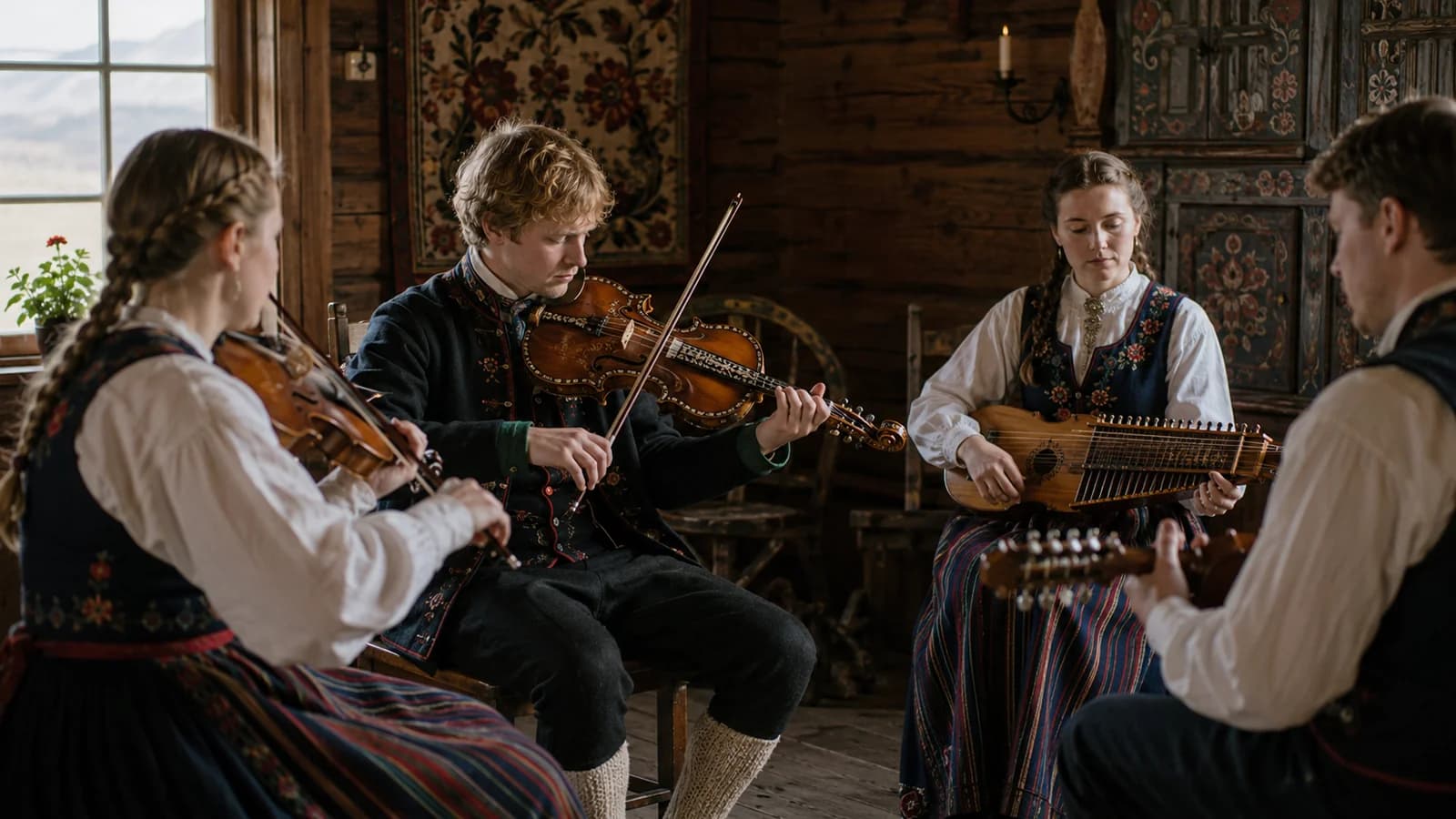
Norwegian traditional folk musicians

Traditional Music

Norwegian Folk Music

Music connected to rural communities, local celebrations and storytelling.

Norwegian folk music is strongly connected to rural communities, local celebrations and storytelling.

The folk music of the Setesdal region has been recognised by UNESCO as Intangible Cultural Heritage.

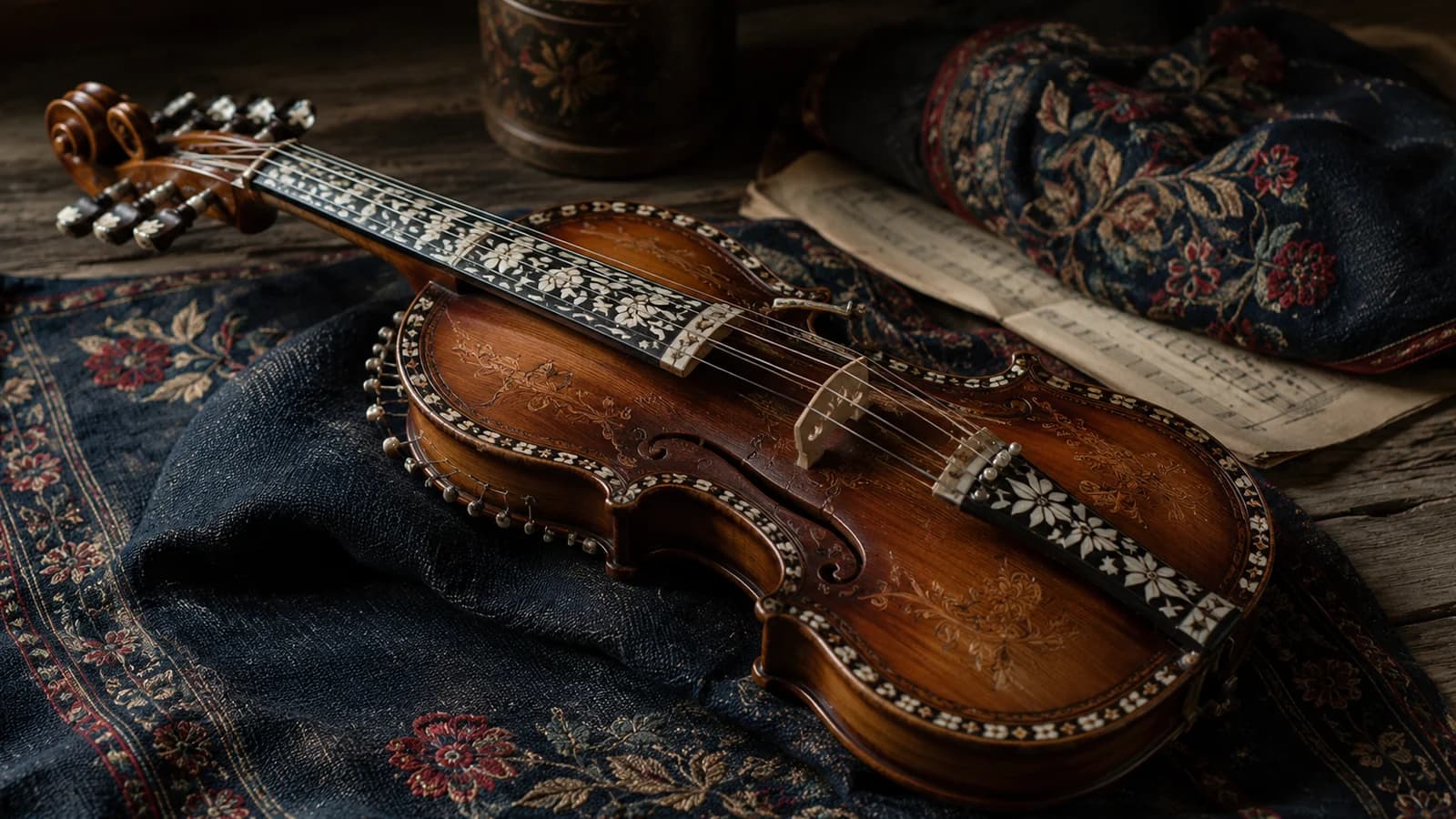
Traditional Norwegian Hardanger fiddle

Traditional Instrument

Hardanger Fiddle

A traditional Norwegian instrument with a rich and resonant sound.

One of Norway’s most famous traditional instruments is the Hardanger fiddle, known as hardingfele in Norwegian.

It resembles a violin but has additional strings that produce a rich and resonant sound.

The jaw harp, called munnharpe, is another traditional Norwegian instrument.

HardingfeleAdditional stringsResonant sound
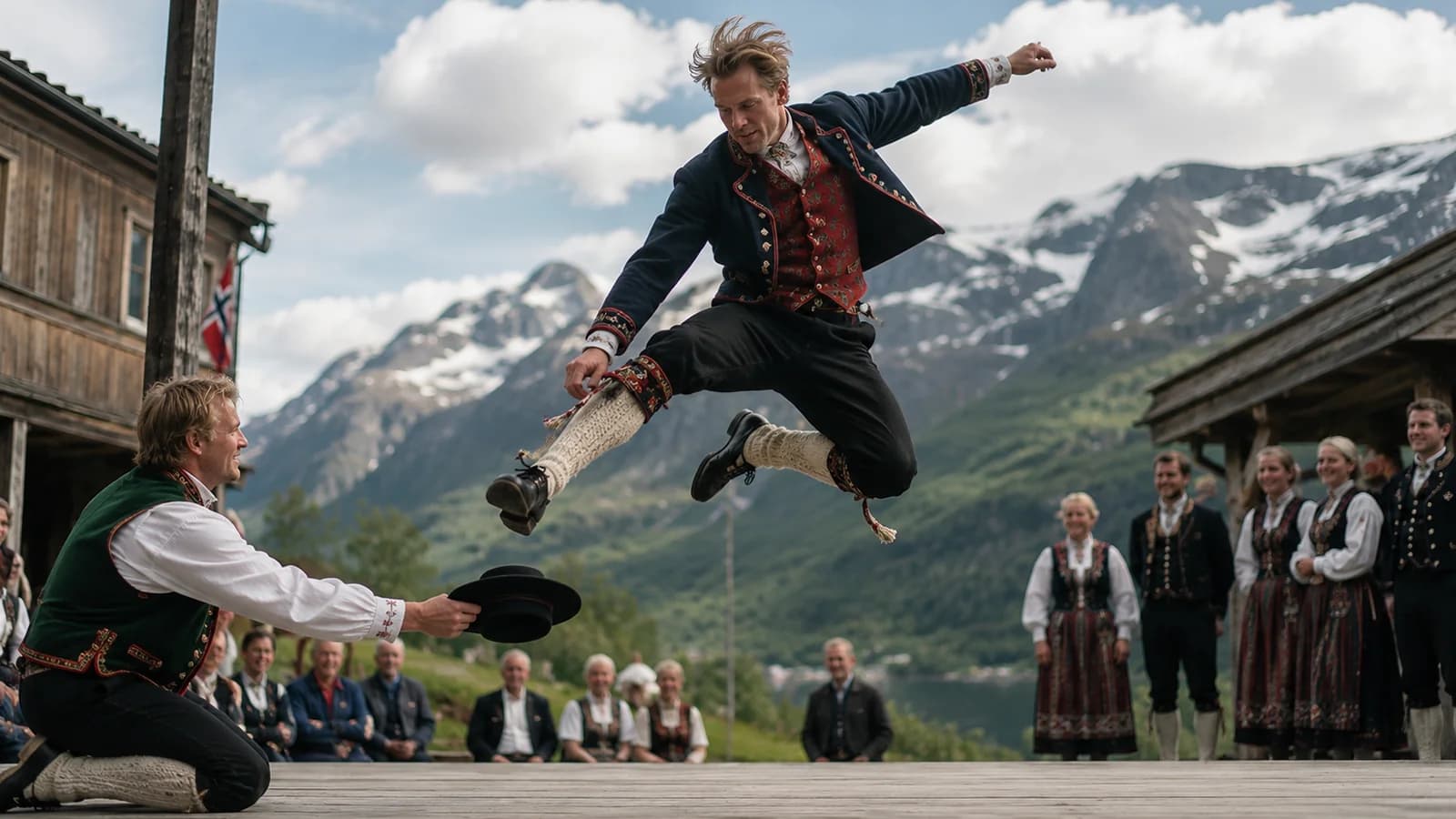
Traditional Norwegian hallingdans performance

Traditional Dance

Hallingdans

An energetic solo dance requiring strength, flexibility and balance.

The halling, or hallingdans, is one of Norway’s best-known traditional dances.

It is usually performed by one person and requires strength, flexibility and balance.

One famous movement involves the dancer jumping and attempting to kick a hat held above the ground.

Another important category is bygdedans, a group of regional folk dances traditionally accompanied by the Hardanger fiddle.

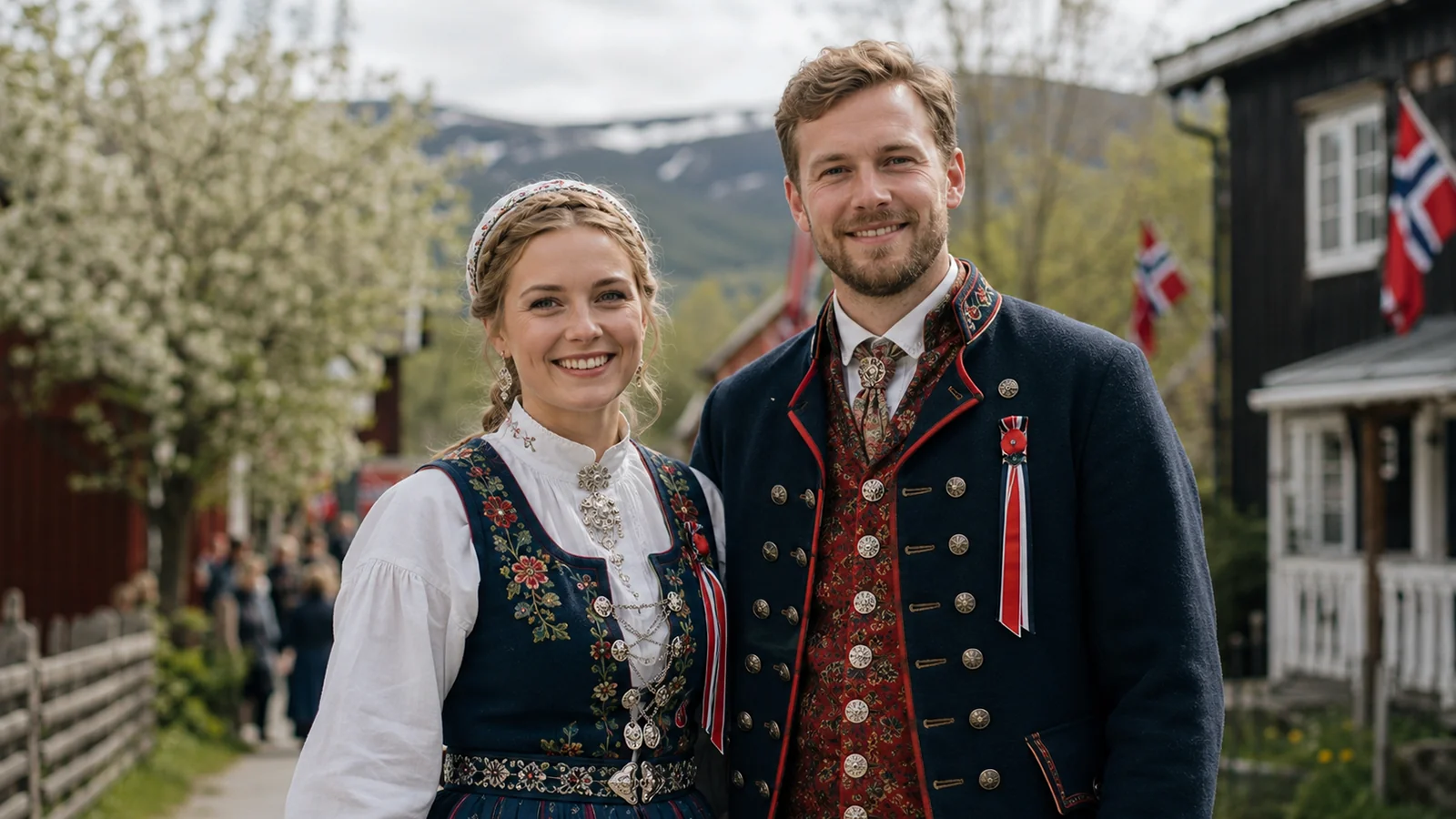
People wearing traditional Norwegian bunad clothing

Traditional Clothes

Bunad

Norway’s traditional costume, with regional colours, patterns and embroidery.

Norway’s traditional costume is called the bunad.

There are many different bunads, and their colours, embroidery, jewellery and patterns represent specific regions.

Bunads are worn at weddings, formal celebrations and especially on 17 May, Norway’s Constitution Day.

Women’s bunads commonly include embroidered dresses, aprons and silver jewellery.

Men’s versions may include trousers, waistcoats, jackets and traditional hats.

Regional identityEmbroidery17 MaySilver jewellery

History

From the Viking Age to Modern Norway

Norway’s history includes exploration, political unions, independence, resistance and major economic transformation.

Read the full history guide
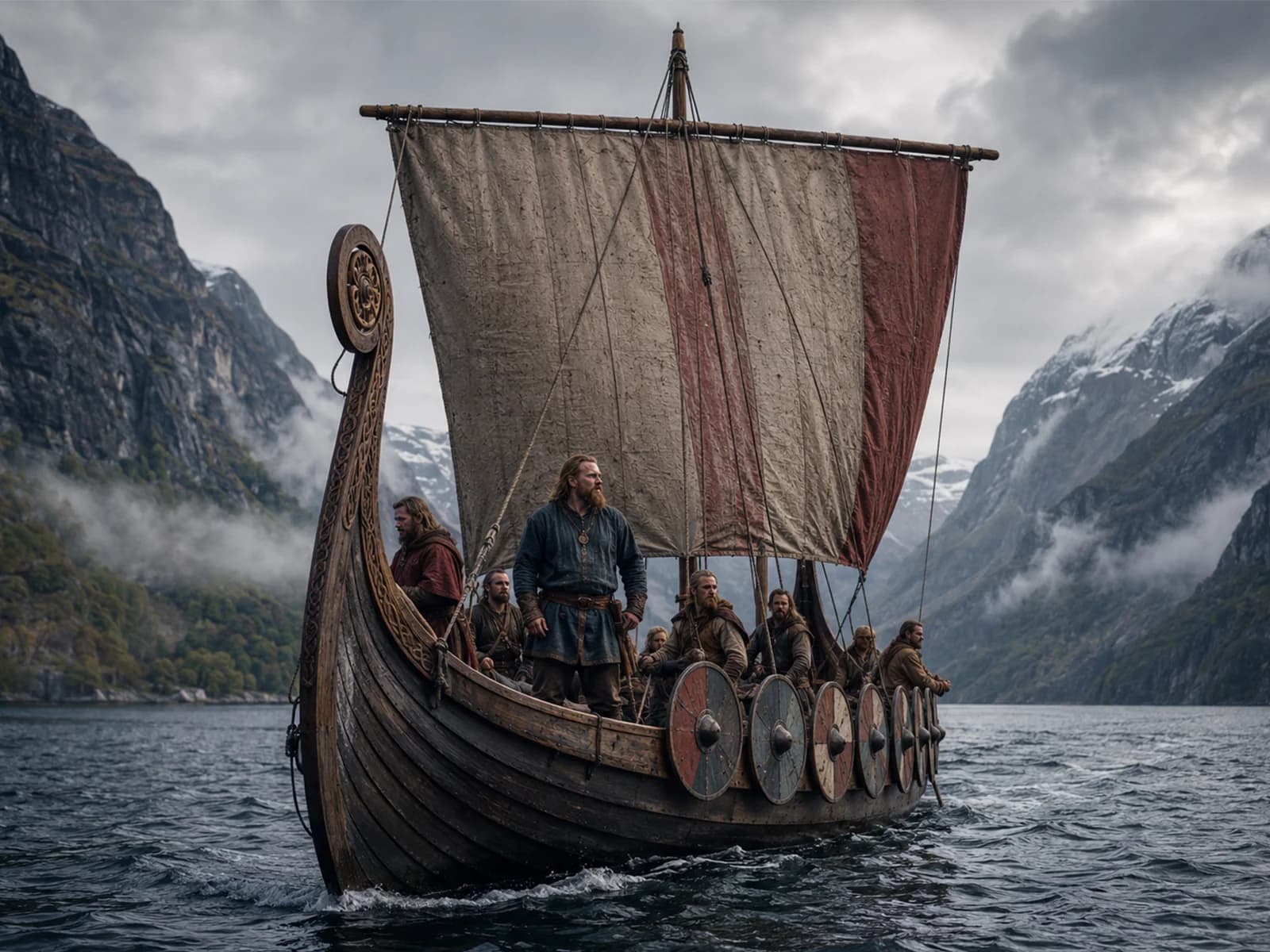
Norwegian Viking ship sailing through a dramatic Nordic landscape

Important Historical Event

The Viking Age

The Viking Age, approximately from the late eighth century to the eleventh century, was one of the most important periods in Norwegian history.

Norwegian Vikings travelled across Europe and the North Atlantic as explorers, traders, settlers and warriors.

They established settlements in places such as Iceland, Greenland, Ireland and parts of Britain.

Their ships, navigation skills and trade routes had a major influence on European history.

Historical Timeline

Key Moments in Norwegian History

Late 8th–11th century

The Viking Age

Norwegian explorers, traders and settlers travelled across Europe and the North Atlantic.

1814

Union with Sweden

Norway entered a political union with Sweden while keeping its own Constitution and Parliament.

1905

Norwegian Independence

The union with Sweden was dissolved, and Norway became fully independent.

1940–1945

Second World War

Norway was occupied by Nazi Germany, while the government and royal family resisted from exile.

Late 20th century

The Oil Era

Oil and gas discoveries in the North Sea transformed Norway’s economy and public wealth.

Independence

The End of the Union with Sweden

Norway entered a political union with Sweden in 1814, although it maintained its own Constitution and Parliament.

On 7 June 1905, the Norwegian Parliament declared the union dissolved.

After negotiations and a national referendum, Sweden officially recognised Norwegian independence on 26 October 1905.

Prince Carl of Denmark became Norway’s new king and adopted the name Haakon VII.

Conflicts & Achievements

Resistance, Prosperity and Diplomacy

During the Viking Age, Norwegians explored and settled territories across the North Atlantic.

In the Middle Ages, Norway developed into a unified kingdom.

During the Second World War, Nazi Germany invaded Norway in 1940.

The Norwegian government and royal family continued resisting from exile until the country was liberated in 1945.

In the modern period, the discovery of oil and gas in the North Sea transformed Norway into one of the world’s most prosperous countries.

Norway also became known for diplomacy, humanitarian aid and participation in international peace negotiations.

Famous Historical Figures

People Who Shaped Norway

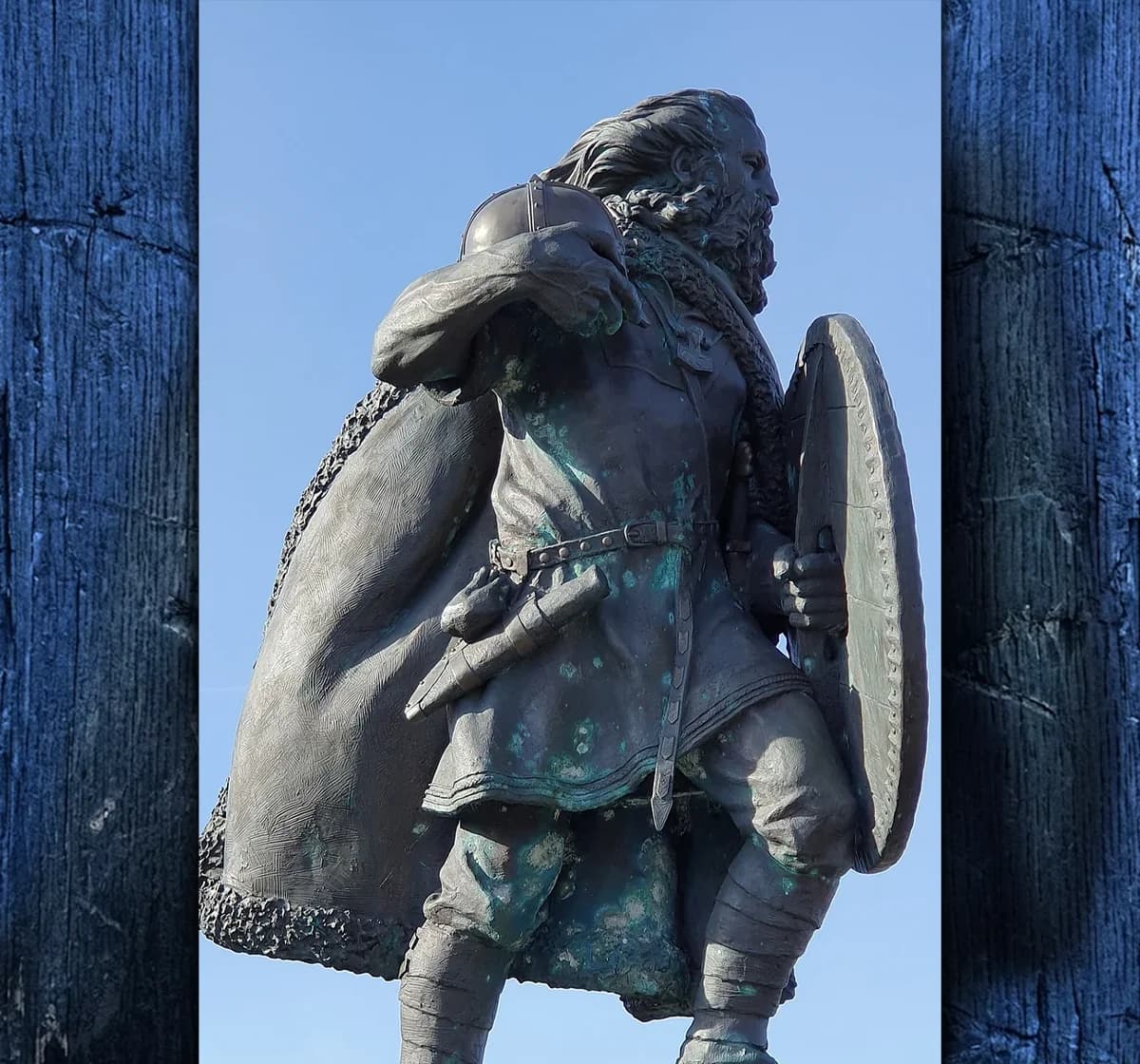
Historical representation of Harald Fairhair

Early King of Norway

Harald Fairhair

Traditionally described as the first king to unite much of Norway during the Viking Age, although some details remain debated by historians.

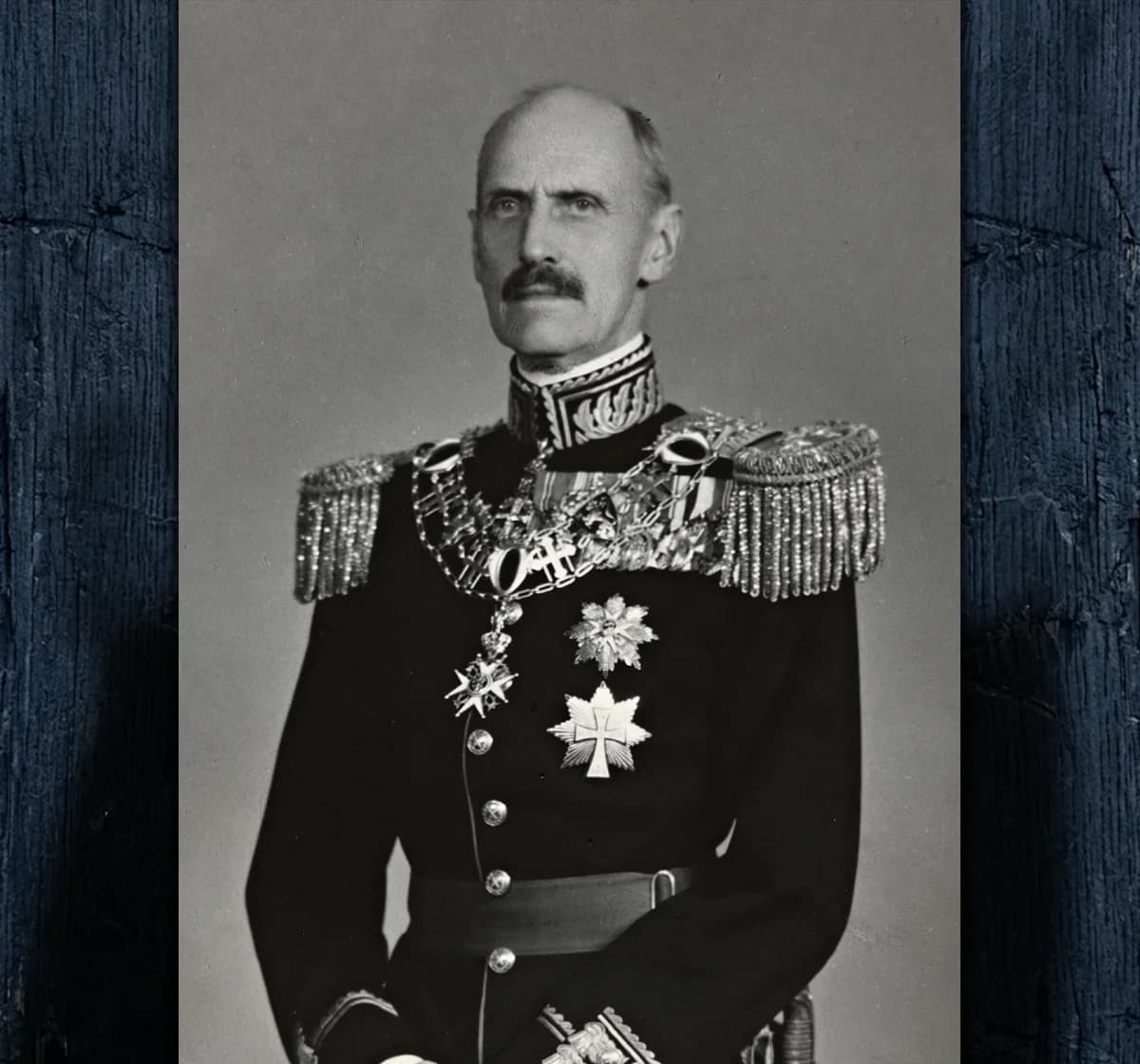
Portrait of King Haakon VII of Norway

King of Norway

King Haakon VII

He became king after independence in 1905 and was an important symbol of Norwegian resistance during the Second World War.

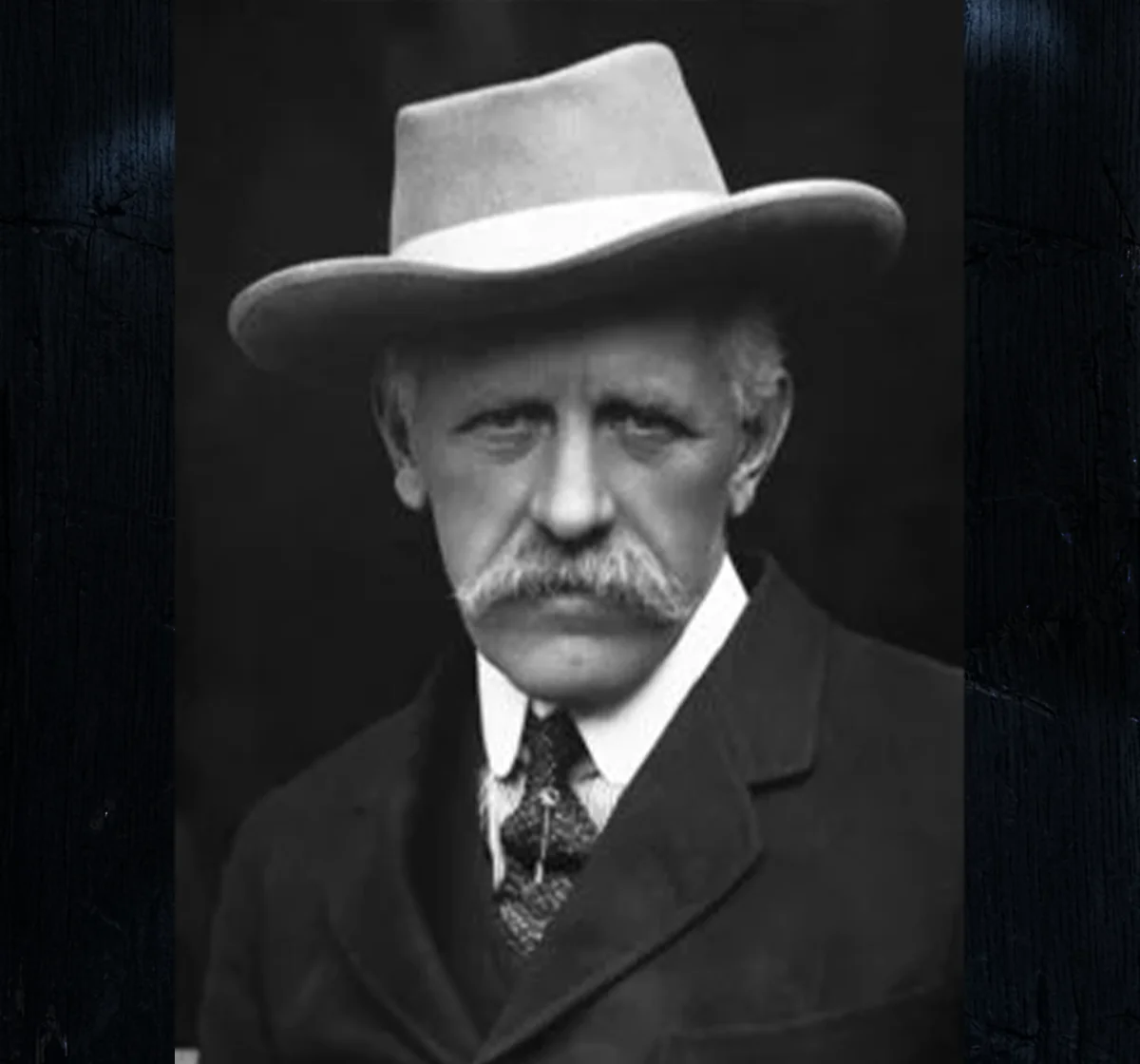
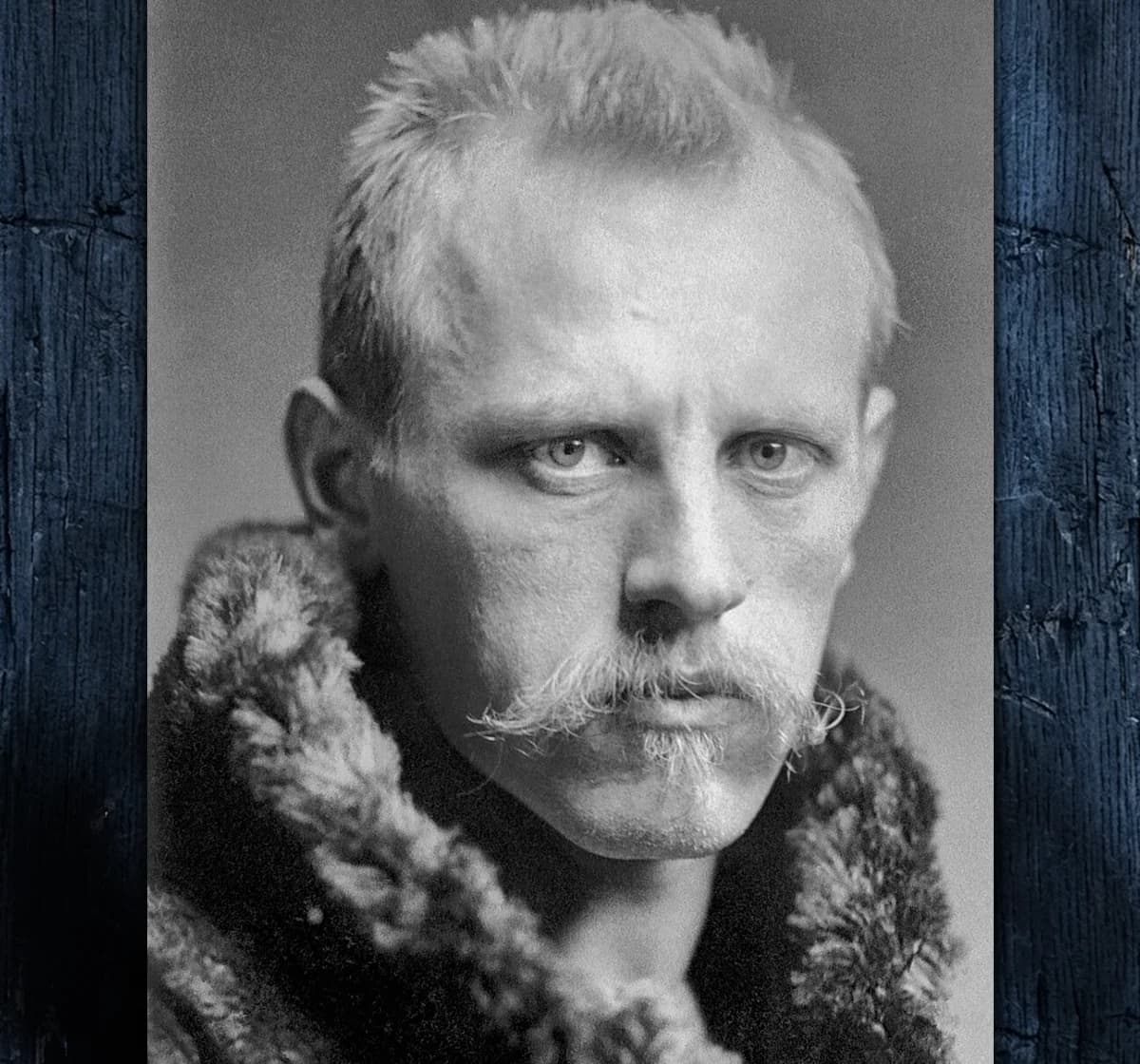
Portrait of Fridtjof Nansen

Explorer and Humanitarian

Fridtjof Nansen

Explorer, scientist, diplomat and humanitarian who received the Nobel Peace Prize for his work with refugees.

Portrait of Roald Amundsen

Polar Explorer

Roald Amundsen

He led the first expedition to reach the South Pole in 1911.

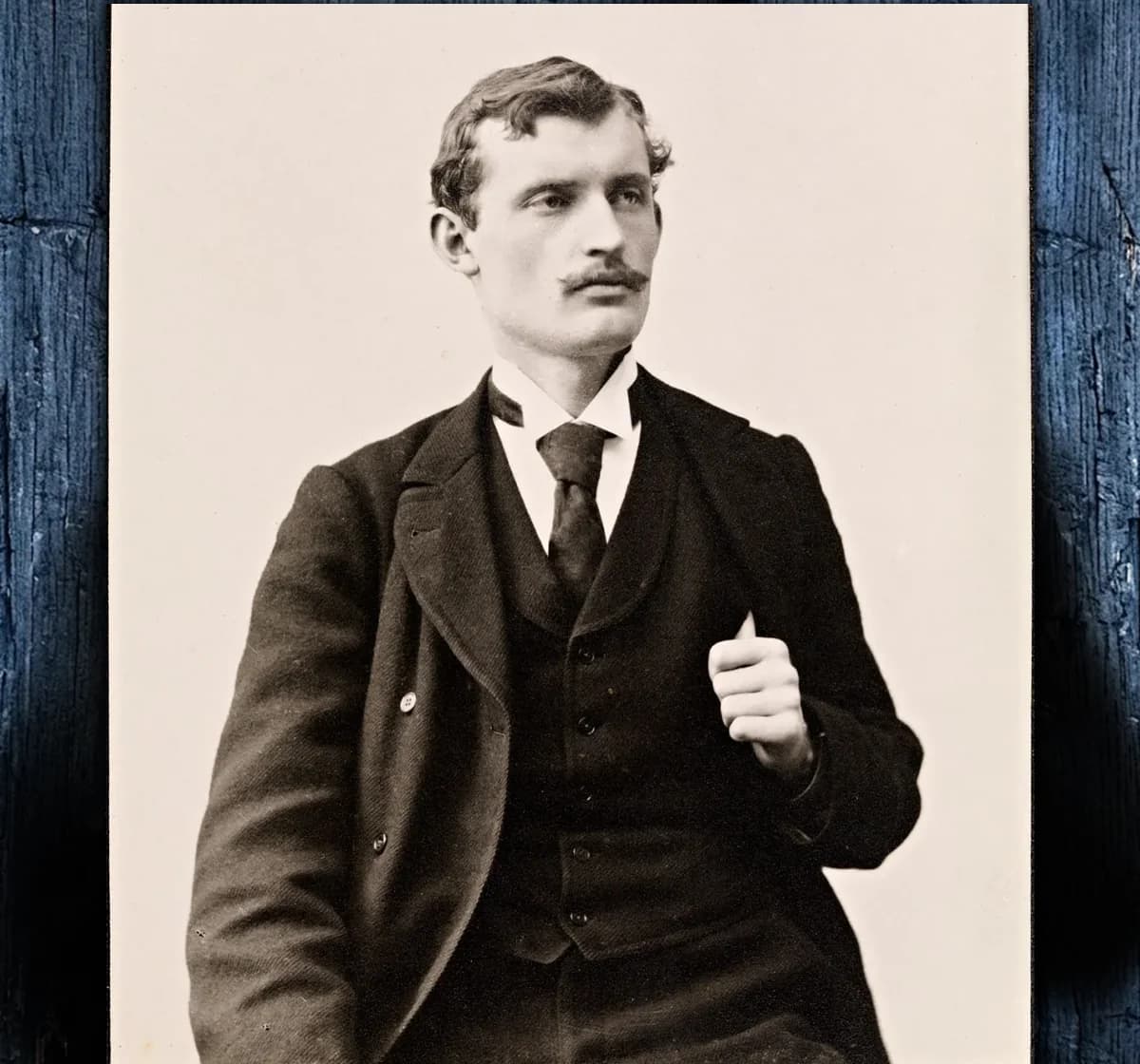
Portrait of Edvard Munch

Painter

Edvard Munch

Internationally famous Norwegian painter and creator of The Scream.

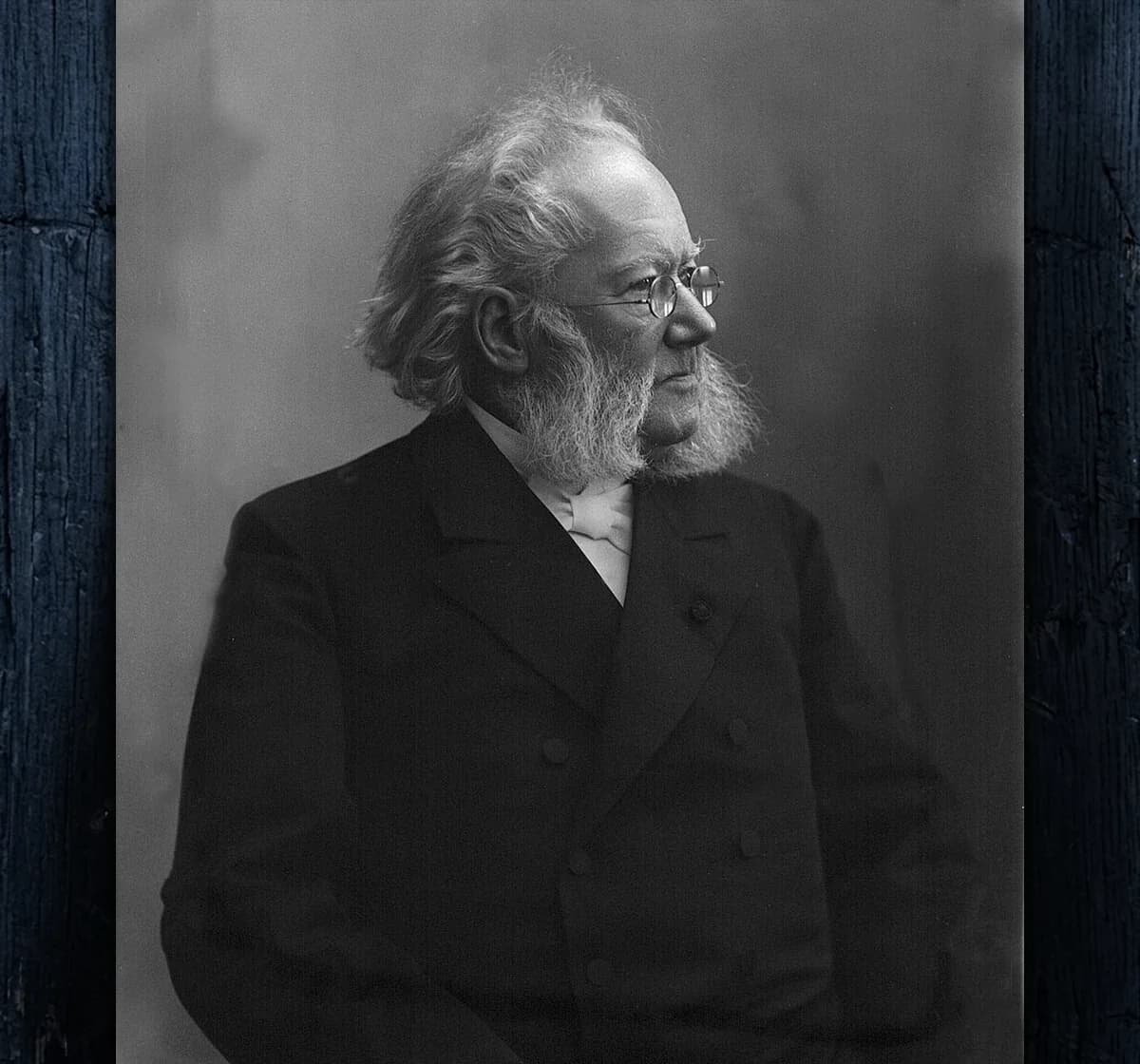
Portrait of Henrik Ibsen

Playwright

Henrik Ibsen

Influential playwright whose works include A Doll’s House and Hedda Gabler.

Football

The Passion of Norwegian Football

Norwegian football combines historic World Cup moments, modern international stars and a strong national identity among supporters.

Read the full football guide
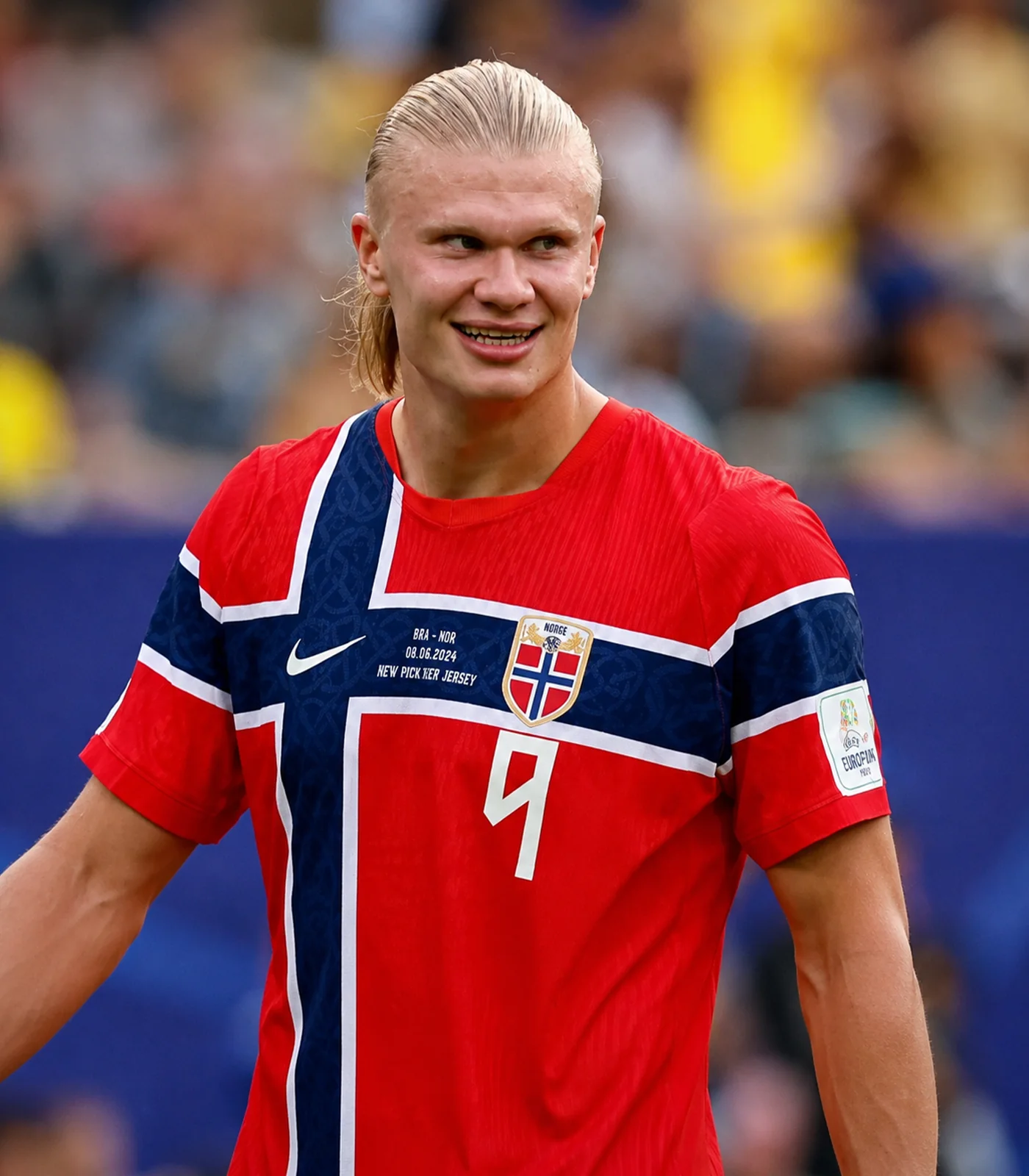
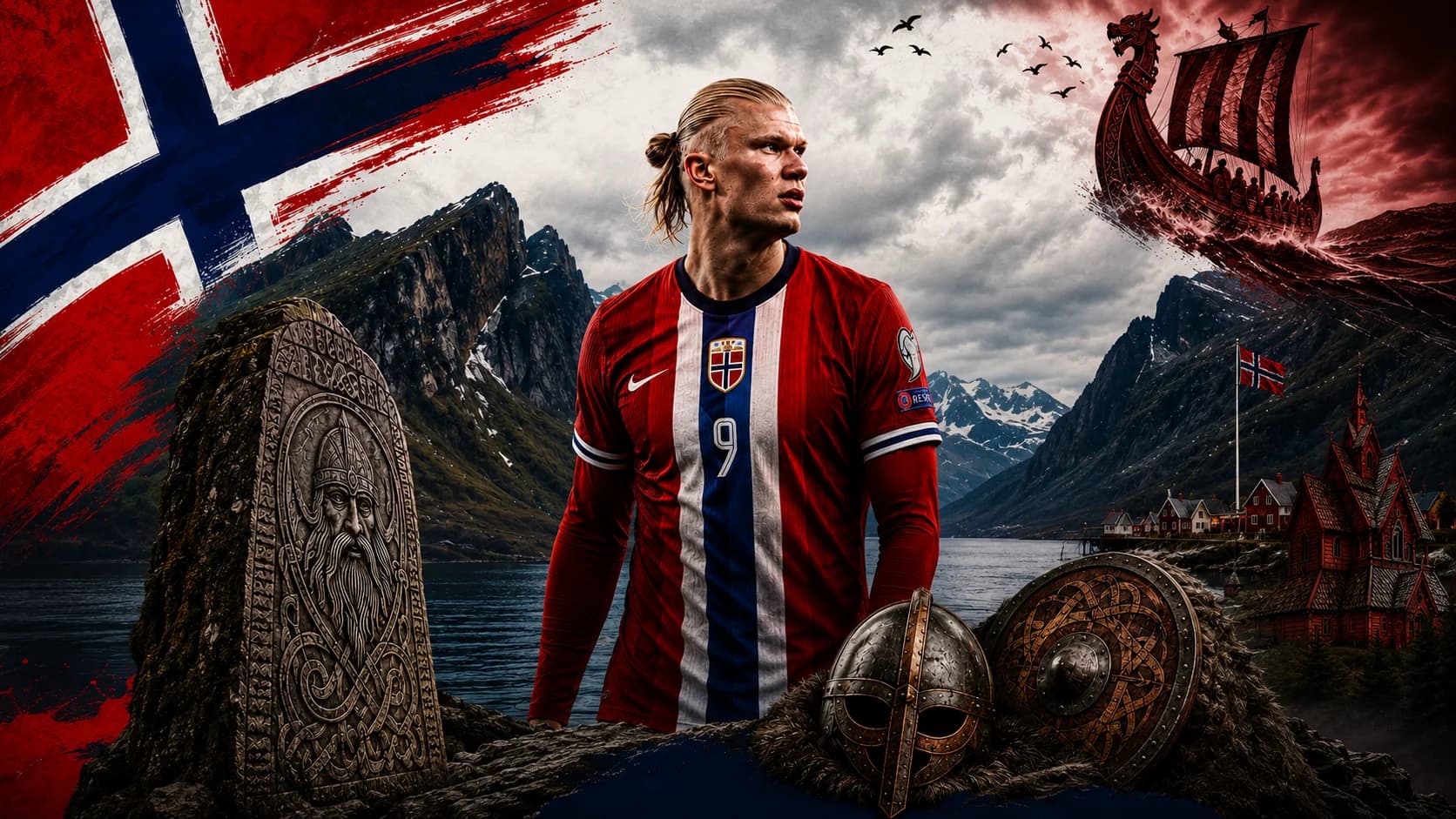
Erling Haaland representing the Norwegian national football team
Norway

Striker — Norway National Team

Erling Haaland

Main Player

Erling Haaland

Striker — Norway National Team

One of the most prominent Norwegian footballers of the modern era.

Erling Haaland is widely regarded as one of the greatest Norwegian footballers of the modern era.

He is famous for his speed, physical strength, positioning and exceptional ability to score goals.

He became an international star while playing for clubs such as Borussia Dortmund and Manchester City.

Other important Norwegian players include Ole Gunnar Solskjær, Martin Ødegaard and Ada Hegerberg.

Powerful strikerExceptional finishingInternational starNorway number 9

World Cup Appearances

4

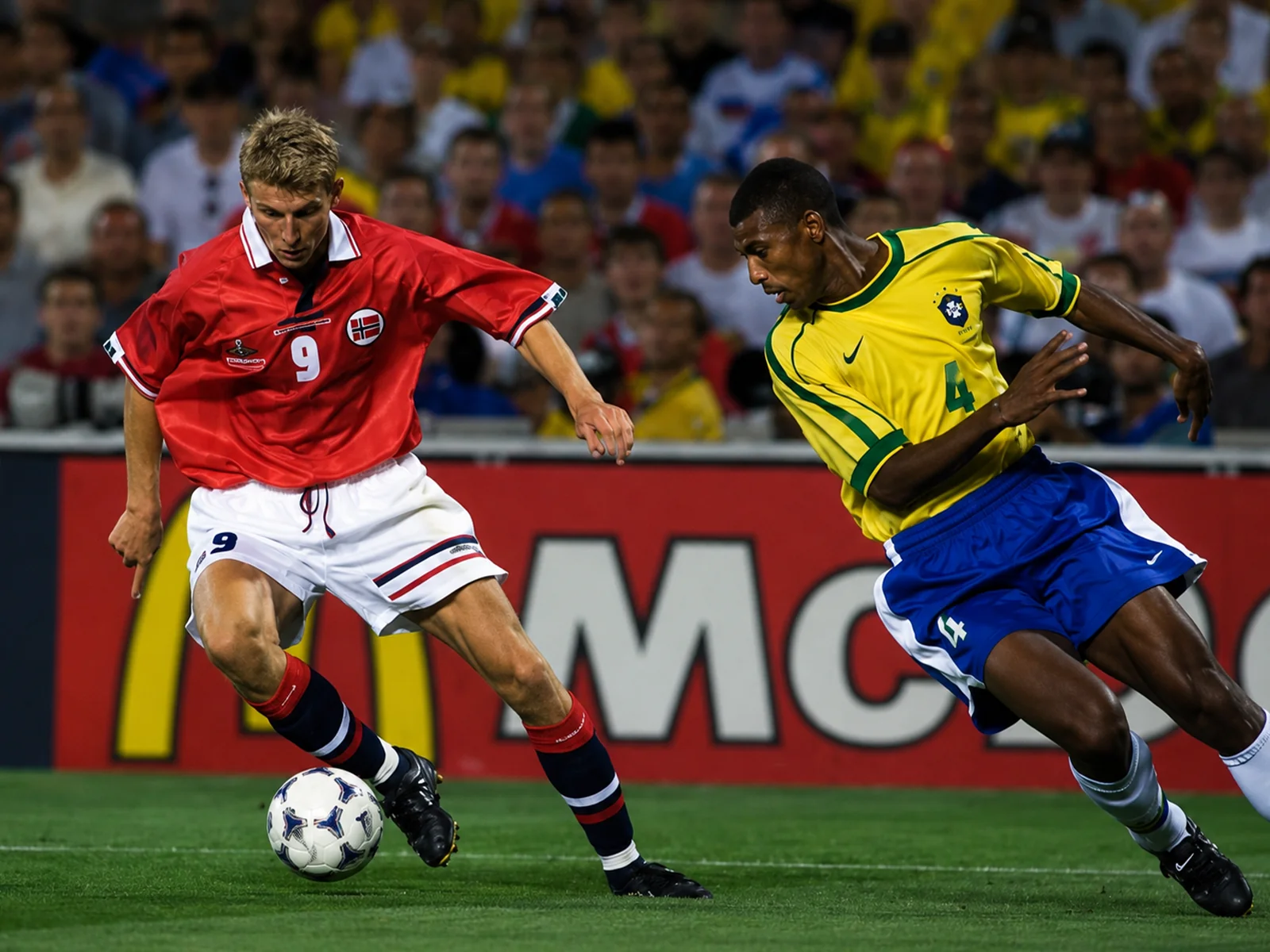
Norway has participated in the men’s World Cup in 1938, 1994, 1998 and 2026.

Historic Victory

2–1

Norway defeated Brazil during the group stage of the 1998 World Cup.

National Colours

Red, White & Blue

The national team and its supporters use the colours of the Norwegian flag.

Home Ground

Ullevaal Stadion

The national stadium is located in Oslo and hosts major international matches.

World Cup History

Norway on the World Stage

The men’s national team has appeared in four editions of the FIFA World Cup.

1938

First Appearance

Norway made its World Cup debut in France and faced Italy in the opening round.

1994

Group Stage

The team returned to the competition after an absence of more than five decades.

1998

Round of 16

Norway reached the knockout stage after a memorable victory against Brazil.

2026

Return to the Tournament

Norway returned to the World Cup after a 28-year absence.

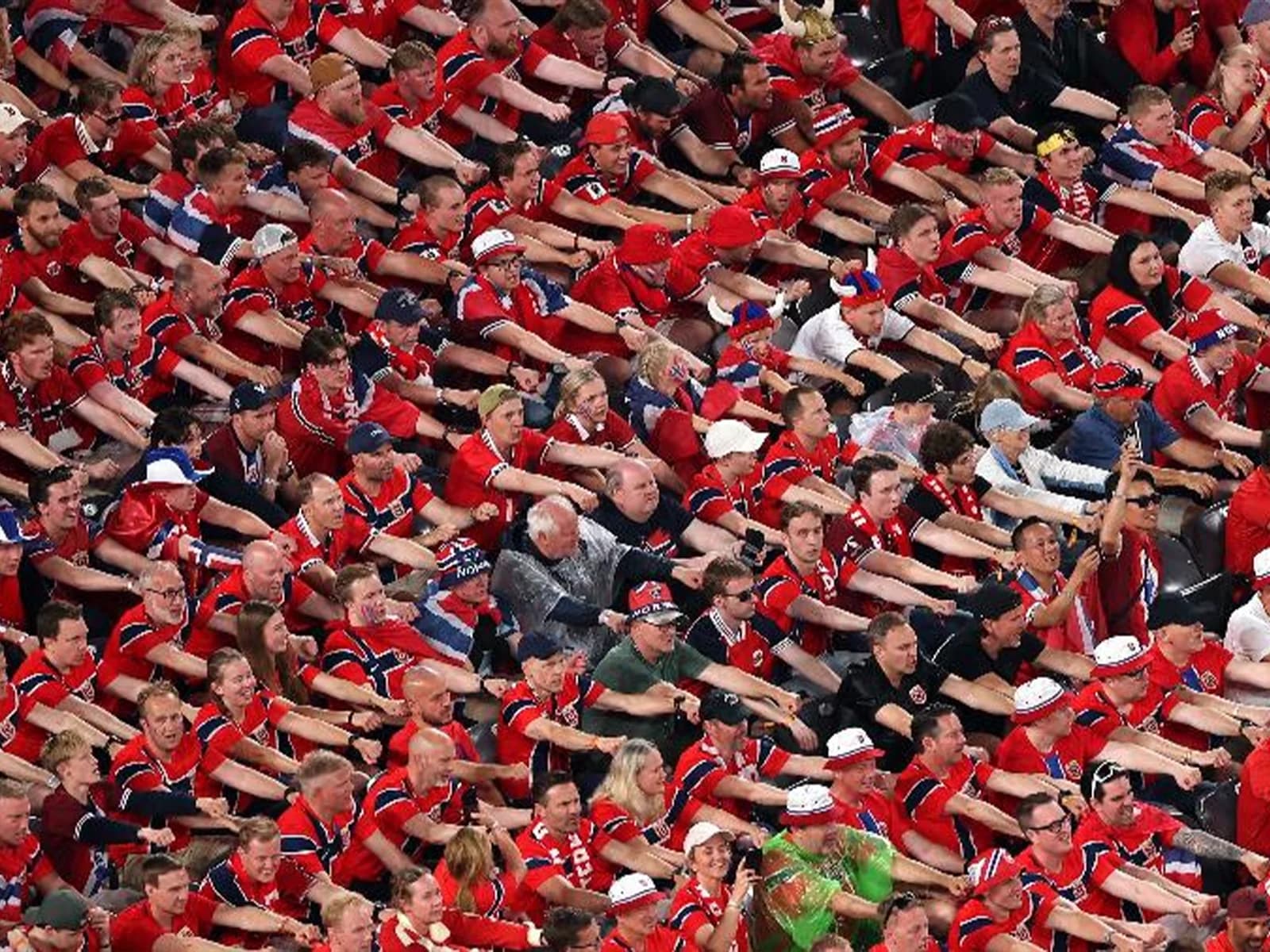
Norwegian football supporters celebrating the historic match against Brazil

Historic Match

Norway vs Brazil

2–1

23 June 1998

Norway came from behind to defeat defending champions Brazil during the group stage of the 1998 World Cup. The victory qualified Norway for the Round of 16.

Tore André FloKjetil Rekdal

Famous Rivalries

Nordic Derbies

Norway’s traditional football rivalries are mainly with its Scandinavian neighbours. Matches against Sweden and Denmark combine geographic proximity, sporting competition and shared Nordic history.

Norway vs SwedenNorway vs DenmarkNorway vs Brazil

Women’s National Team

A World-Champion Tradition

Norway’s women’s national team has one of the strongest international histories in Norwegian football.

FIFA Women’s World Cup champions — 1995

Olympic gold medal — 2000

UEFA Women’s European champions — 1987 and 1993

Norwegian football supporters wearing red and waving national flags
Norwegian Supporters

Supporters & Traditions

Heia Norge!

Norwegian supporters commonly wear red shirts, wave national flags and sing “Heia Norge!”, meaning “Come on, Norway!”

During major competitions, fans gather in public squares, stadiums and fan zones to watch matches together.

Viking-inspired clothing and symbols are sometimes used by supporters, although authentic Viking helmets did not have horns.

Red national shirtsNorwegian flagsHeia Norge!Coordinated clappingDrums and fan zones

Language & Society

Language, Economy and Daily Life

Norway combines a strong cultural identity, a highly developed economy and public services designed to support daily life.

Norwegian Language

A Few Words in Norwegian

Norwegian belongs to the North Germanic language family and has two official written forms: Bokmål and Nynorsk.

Official languages

NorwegianSámi languages in designated regions
Country name

Norway in Norwegian

Norge

The name Norway is written as “Norge” in Bokmål, the most widely used written form of Norwegian.

Hello

Hei

A common and informal greeting used in everyday situations.

Thank you

Takk

The most common way to express gratitude in Norwegian.

Good morning

God morgen

A greeting commonly used during the morning.

Goodbye

Ha det

A common informal expression used when leaving.

Economy & Society

A Modern Nordic Economy

Norway has a high-income economy supported by natural resources, maritime industries, technology and strong public institutions.

Currency

Norwegian Krone

Norway uses the Norwegian krone, commonly represented by the code NOK.

Major Industries

Energy & Maritime

Oil, natural gas, fishing, aquaculture, shipping and maritime services are important parts of the economy.

Quality of Life

High Living Standards

Norway is known for public services, education, healthcare and strong social protections.

Innovation

Digital & Sustainable

Norwegian organisations invest in renewable energy, maritime technology, digital services and environmental solutions.

Principal Economic Activities

Major Norwegian Industries

Oil and natural gas

Fishing and aquaculture

Shipping and maritime services

Hydroelectric power

Technology and telecommunications

Tourism

Technology & Companies

Norwegian Companies

Several Norwegian companies operate internationally in energy, telecommunications, finance, engineering and sustainable technology.

EquinorTelenorKongsberg GruppenDNBYara International

Social Challenges

Challenges in a Prosperous Society

Even with high living standards, Norway continues to face social and regional challenges.

High living costs in major cities

Housing affordability

Integration of immigrants and refugees

Access to services in remote communities

Protection of Sámi culture and traditional lands

Environmental impact of resource industries

Transport & Accessibility

Connecting Cities, Fjords and Remote Regions

Norway uses several forms of transport to connect its mountainous territory and long coastline.

Urban buses, trams and metro systems

Intercity and regional trains

Ferries connecting coastal communities

Domestic flights serving remote regions

Pedestrian-friendly urban areas

Accessibility measures in modern public transport

Tourism

Explore Norway

Norway attracts visitors with dramatic fjords, Arctic landscapes, historic cities, mountain routes and unique natural phenomena.

Read the full tourism guide
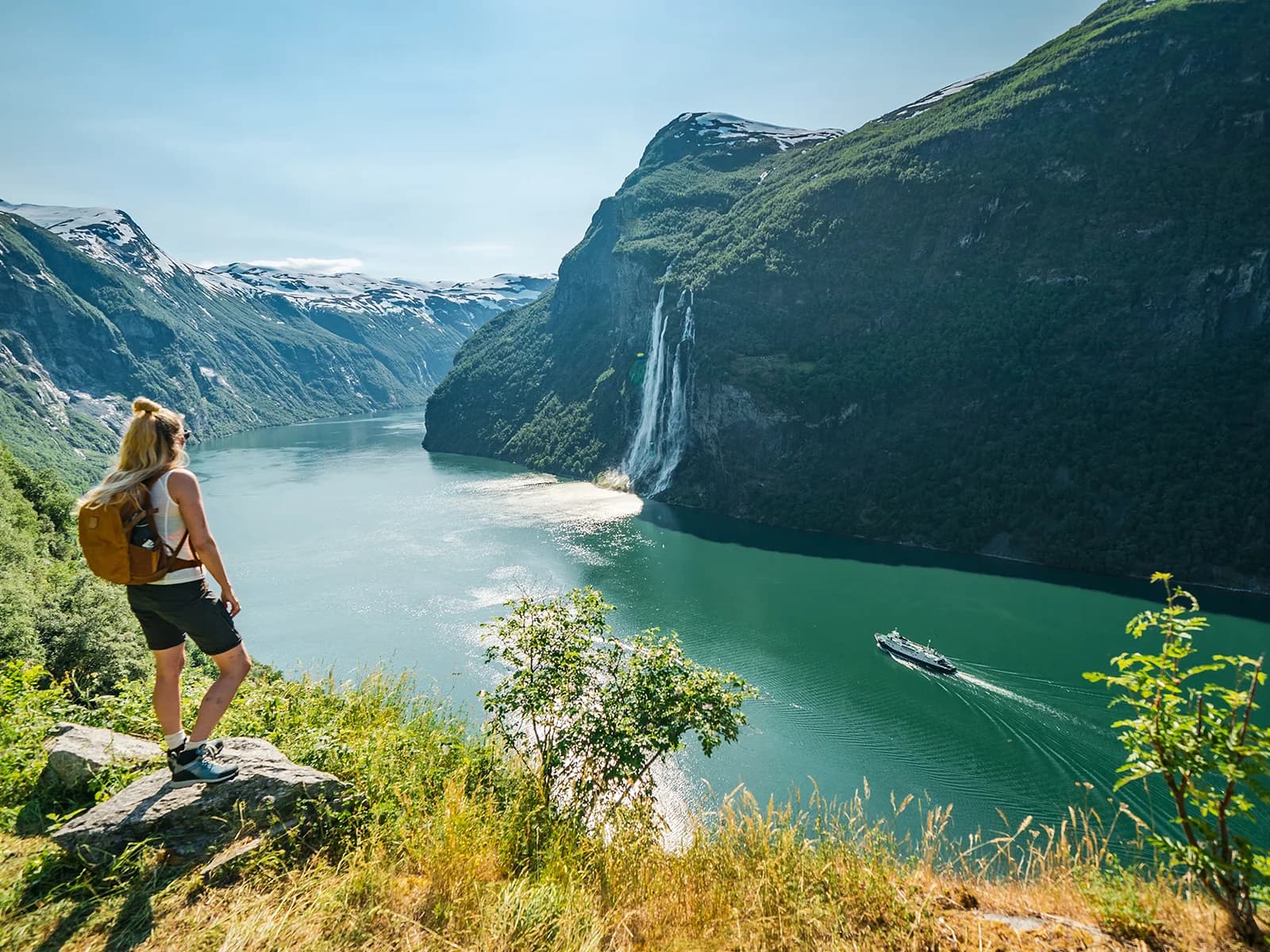
Geirangerfjord surrounded by steep mountains and waterfalls
Featured Destination

Western Norway

Geirangerfjord

Natural Landscape

Geirangerfjord

Western Norway

Geirangerfjord is one of Norway’s most famous fjords, known for steep mountains, deep blue water, waterfalls and scenic viewpoints.

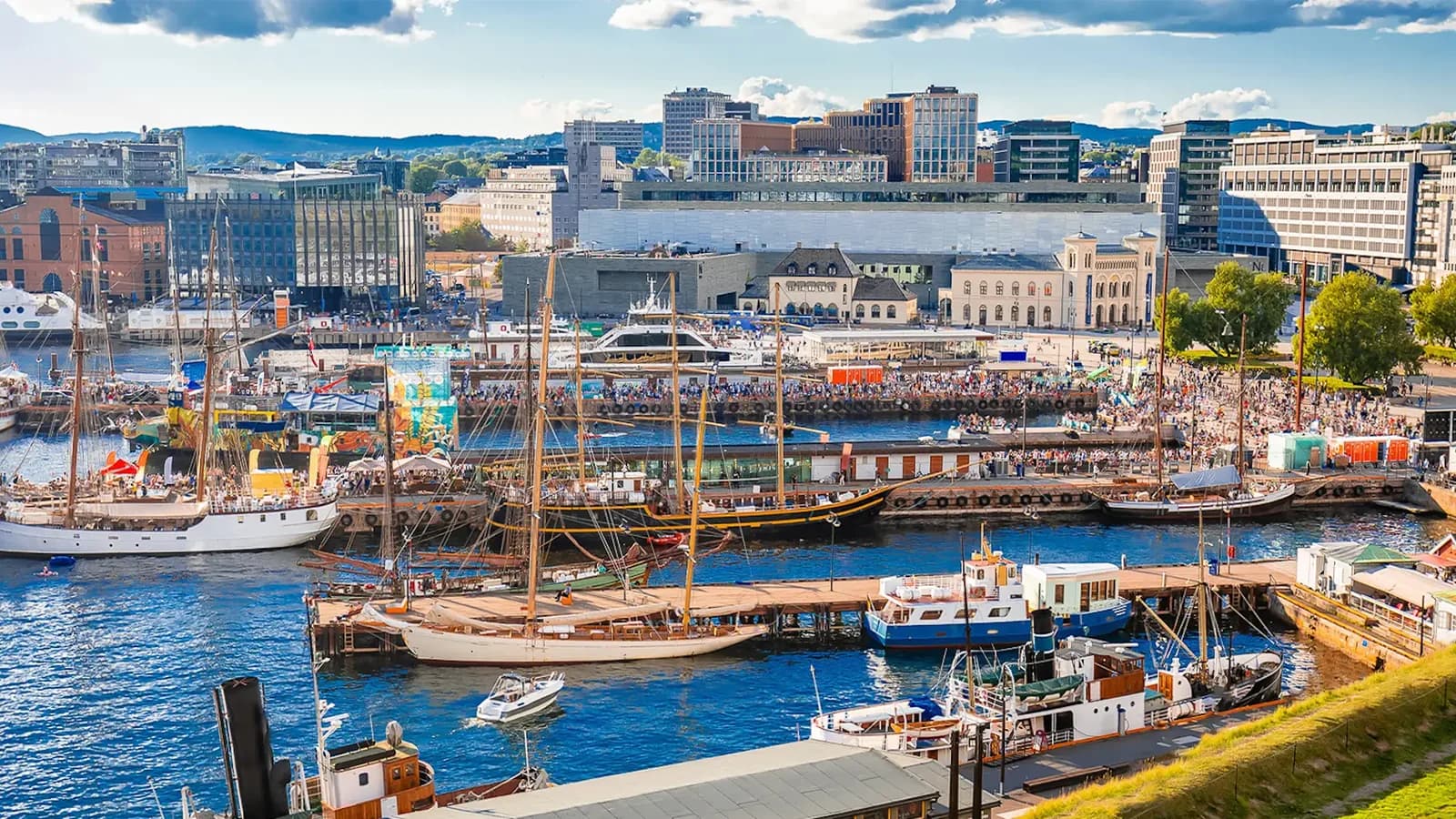
Waterfront and modern architecture in Oslo, Norway
City
Capital Region

Oslo

Norway’s capital combines modern architecture, museums, waterfront areas, parks and important cultural institutions.

Discover this destination
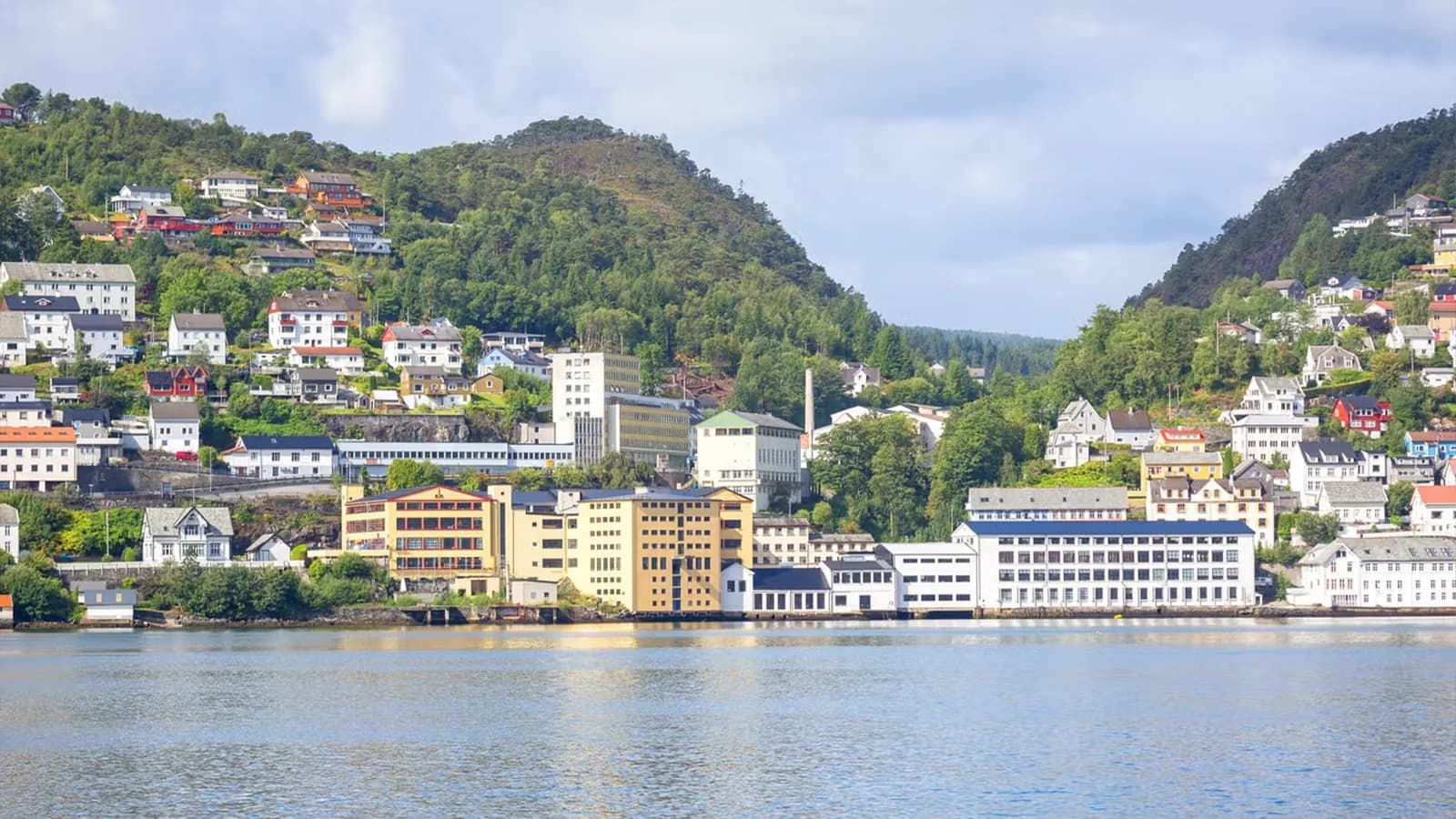
Colourful wooden buildings in the Bryggen district of Bergen
City
Western Norway

Bergen

Bergen is known as the gateway to the fjords and is famous for its colourful historic Bryggen district.

Discover this destination
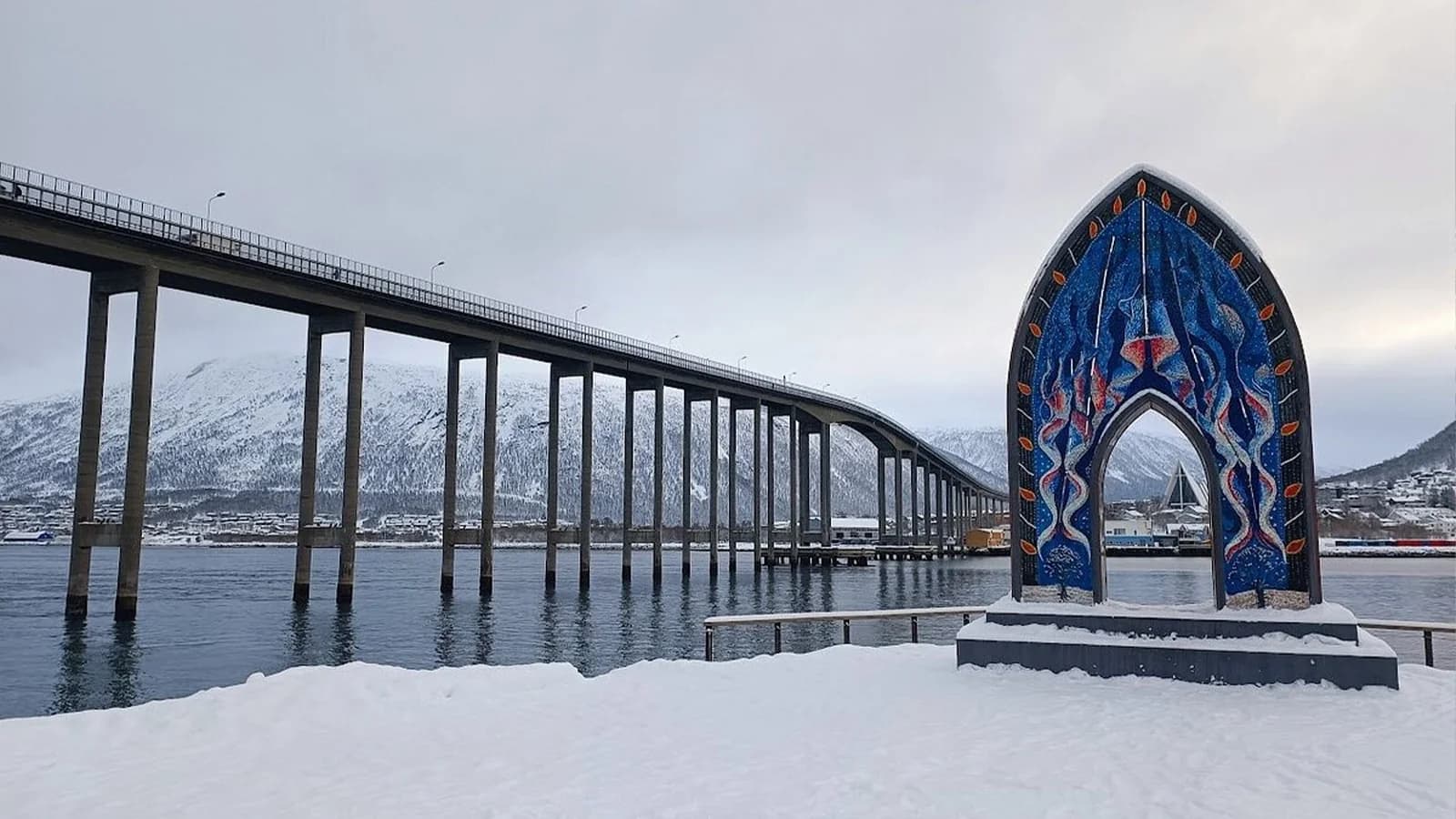
Tromsø city and Arctic landscape under the northern lights
City
Northern Norway

Tromsø

Tromsø is an important Arctic city and a popular destination for northern lights, winter activities and polar culture.

Discover this destination
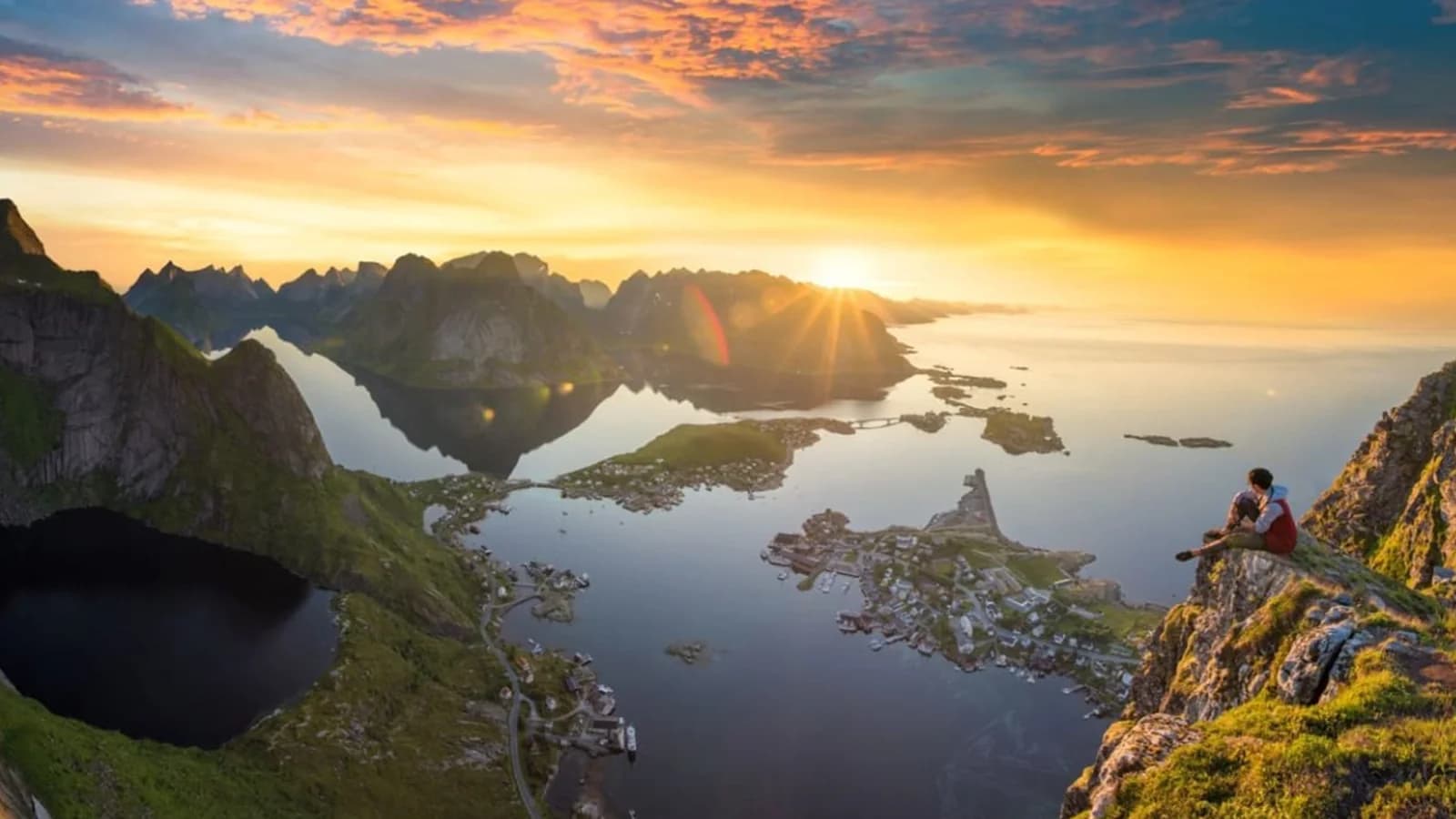
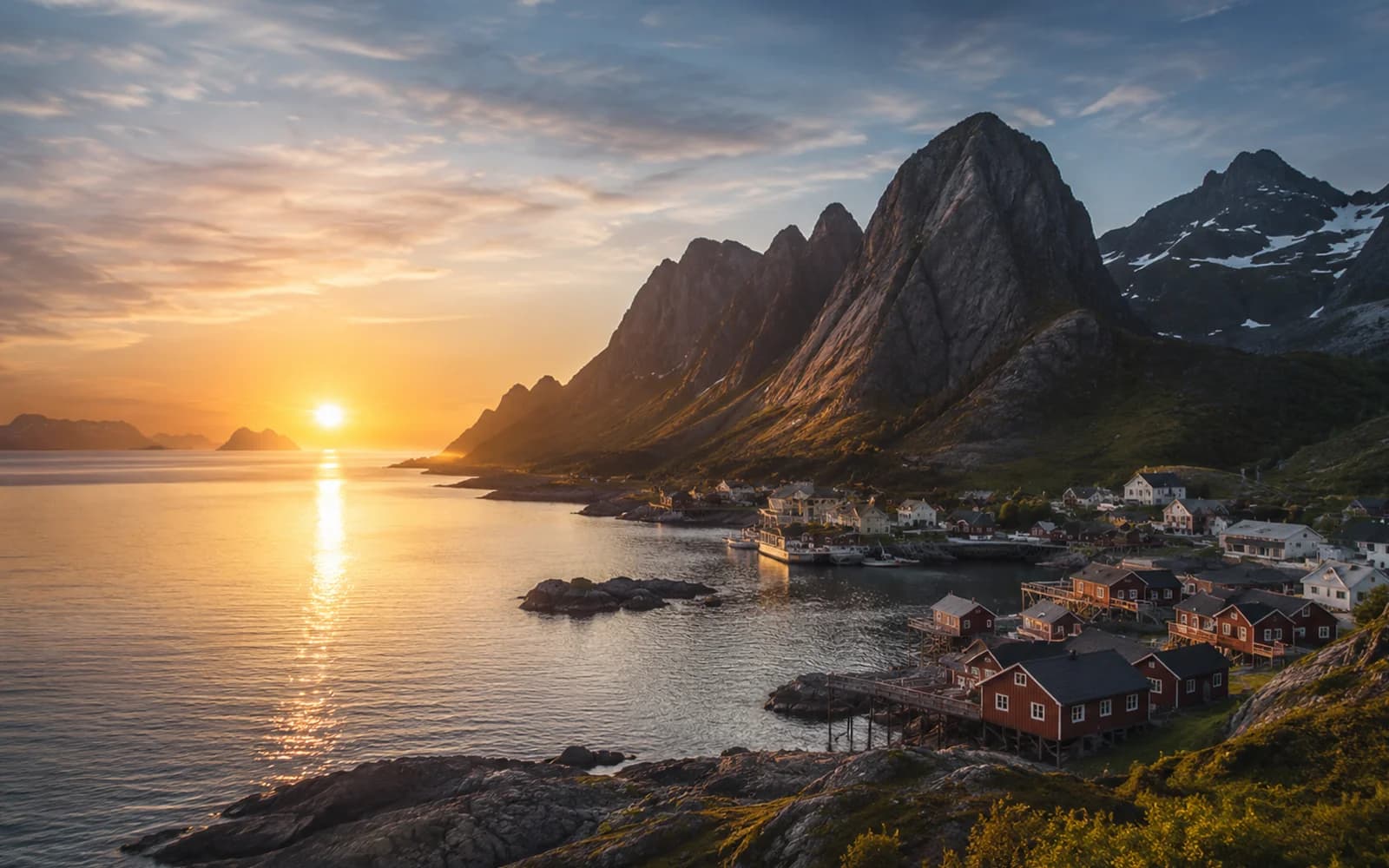
Traditional fishing village surrounded by mountains in the Lofoten Islands
Natural Landscape
Nordland

Lofoten Islands

The Lofoten Islands are known for sharp mountains, fishing villages, beaches and dramatic coastal scenery.

Discover this destination
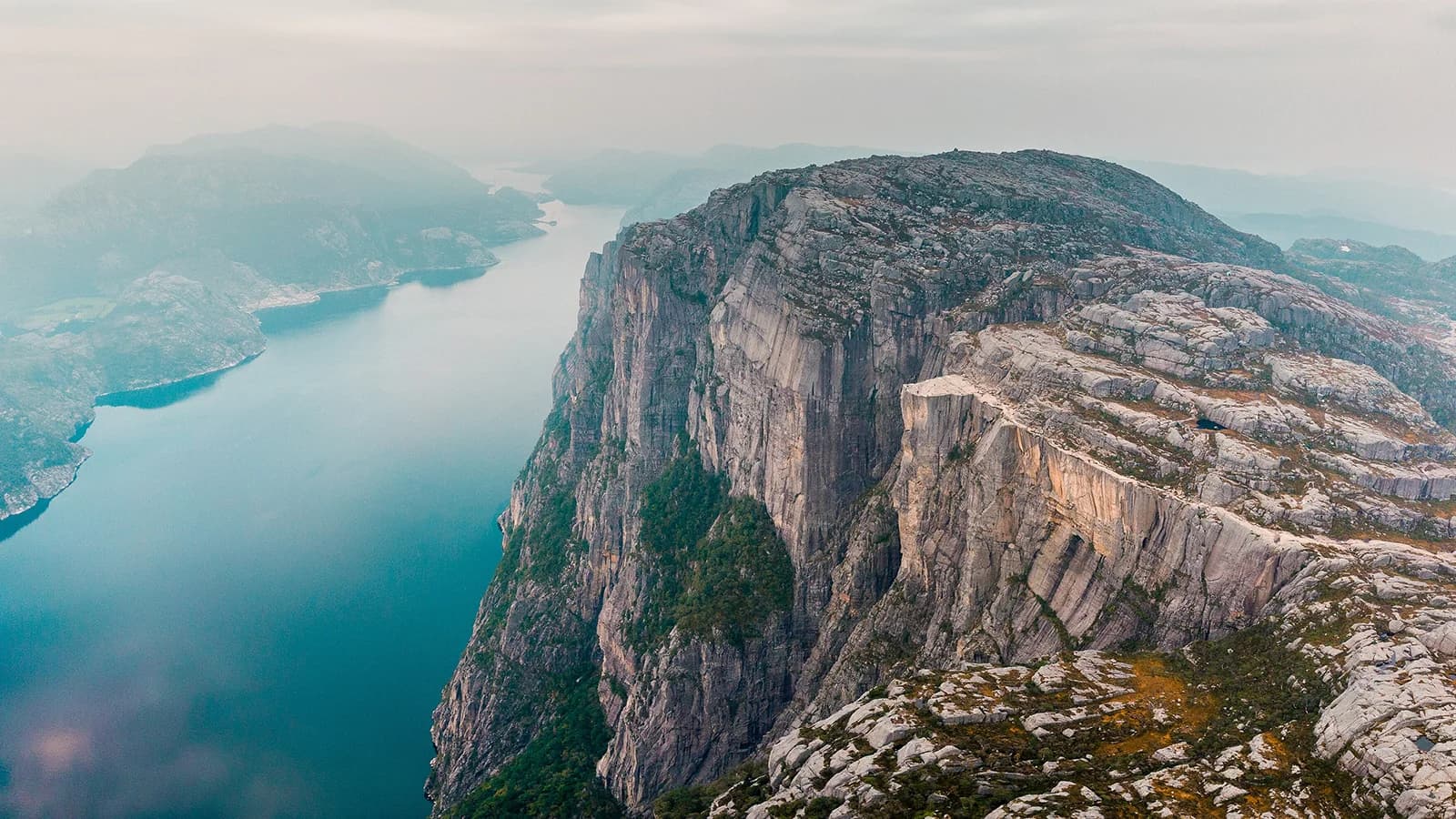
Preikestolen cliff overlooking Lysefjord in Norway
Tourist Attraction
Rogaland

Preikestolen

Preikestolen, also called Pulpit Rock, is a famous cliff rising high above Lysefjord.

Discover this destination
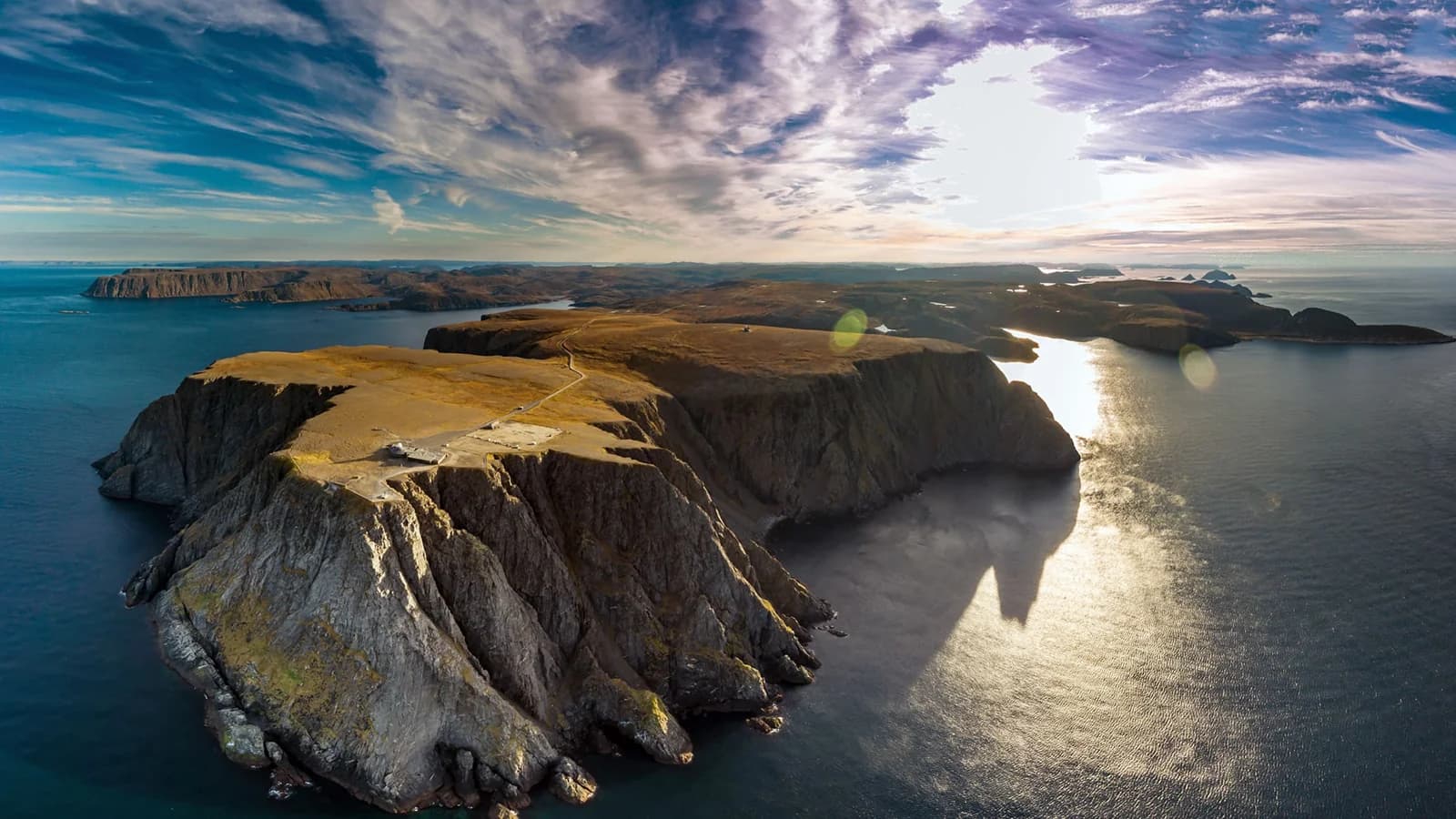
North Cape monument overlooking the Arctic Ocean
Tourist Attraction
Finnmark

North Cape

North Cape is a dramatic coastal viewpoint in northern Norway, famous for Arctic landscapes and the midnight sun.

Discover this destination

Natural Landscapes

Nature on a Grand Scale

Norway’s geography creates a wide variety of natural landscapes, from fjords and waterfalls to Arctic islands and mountain plateaus.

Deep fjords

Snow-covered mountains

Northern lights

Midnight sun

Waterfalls

Arctic coastlines

Glaciers

Forests and lakes

Famous Cities

Three Different Norwegian Experiences

Norway’s major cities offer different perspectives on culture, history, architecture and the natural environment.

01

Capital and Cultural Centre

Oslo

A modern capital with museums, parks, waterfront districts and national institutions.

02

Gateway to the Fjords

Bergen

A historic coastal city surrounded by mountains and connected to Norway’s famous fjord region.

03

Arctic Destination

Tromsø

A northern city associated with polar exploration, winter tourism and the northern lights.

Did You Know?

Surprising Facts About Norway

Norway’s geography, climate and engineering have created some unusual facts that many people do not expect.

Midnight sun illuminating a Norwegian Arctic landscape
Natural Phenomenon

Midnight Sun

Northern Norway

Mind-Blowing Curiosity

The Sun Does Not Set for Weeks

In areas of northern Norway located above the Arctic Circle, the sun can remain visible for several weeks during summer. This natural phenomenon is called the midnight sun.

In places such as Svalbard, the sun stays above the horizon for several months.

Polar Night

Weeks Without Sunrise

During winter, some northern regions experience periods when the sun does not rise above the horizon.

Engineering

24.5 km Road Tunnel

The Lærdal Tunnel is one of the longest road tunnels in the world and connects communities through mountainous terrain.

Geography

Thousands of Islands

Norway’s long coastline includes an enormous number of islands, islets and rocky coastal formations.